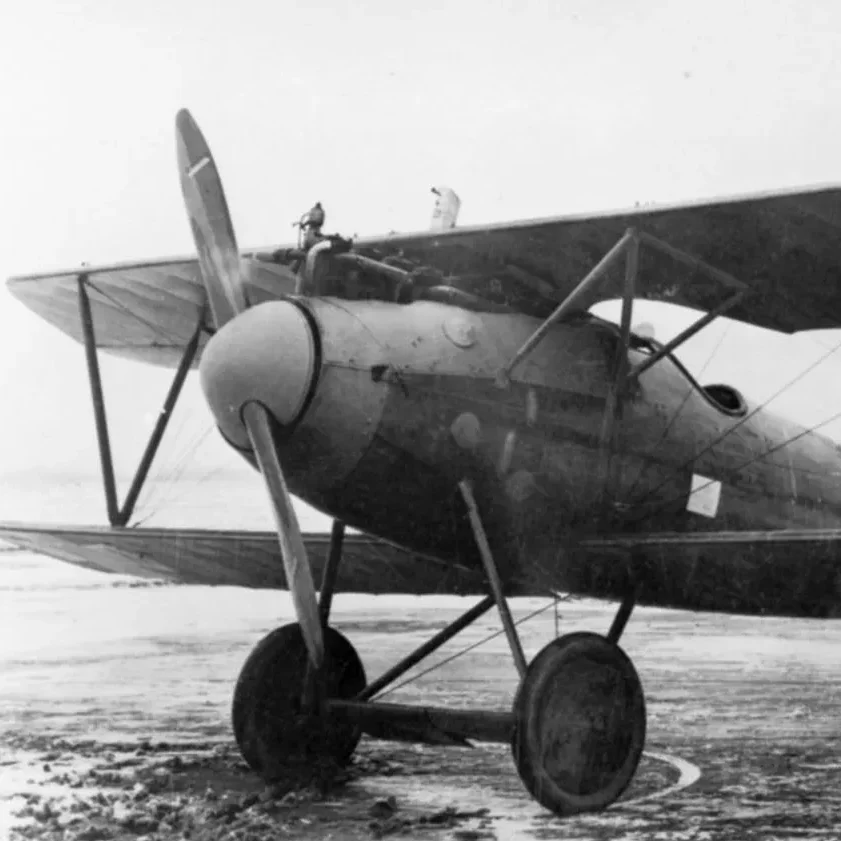
The emergence of aviation in World War I introduces profound ethical questions that continue to resonate today. One of the most significant is the moral ambiguity surrounding the militarization of airspace. In the early days of the war, airplanes were used primarily for reconnaissance; however, as Tim Cook explains in The Canadian Encyclopedia, the rapid escalation of aerial warfare—including bombing raids, dogfights, and strafing runs—raised ethical concerns about the increasing detachment between soldiers and their targets. Unlike trench combat, where opponents saw each other face-to-face, aerial warfare allowed pilots to inflict destruction from above with little direct engagement. This shift made warfare more impersonal and arguably more destructive.
Another ethical dilemma lies in the impact of early air raids on civilians. As described by the Imperial War Museums, the use of bombers brought war into civilian areas, breaking the traditional separation between battlefield and home front. This tactic set a precedent that would be intensified in later conflicts, such as WWII. The ethical debate surrounding civilian casualties in modern warfare—particularly in drone strikes and long-range bombing—can trace its roots to these early wartime decisions. The decision to target infrastructure, factories, and even entire towns during WWI introduced a moral grey zone that still challenges international military law and human rights frameworks today.
Furthermore, the heroization of “flying aces,” as illustrated by the Royal Aviation Museum of Western Canada, raises questions about the glorification of violence. These pilots were celebrated as celebrities, with kill counts turned into achievements and wartime deaths transformed into entertainment for the masses. While their bravery is undeniable, the media’s romanticization of combat obscured the brutal consequences of air warfare and shaped a cultural narrative that sometimes prioritized fame over ethical reflection. This phenomenon echoes into the present day, where media portrayals of military technology can both inspire innovation and obscure the human cost of conflict.
In contemporary terms, the ethical legacy of WWI aviation compels us to ask: Where do we draw the line between innovation and destruction? The aerospace advancements born from war have brought about commercial air travel, satellite communication, and even space exploration, but these same technologies also fuel modern warfare. The ethical responsibility of scientists, engineers, and military strategists is now greater than ever. As Guilmartin and Taylor explain in Encyclopedia Britannica, the modern fighter aircraft is not only a tool of defense but also a symbol of power and intimidation, often wielded in ethically controversial ways.