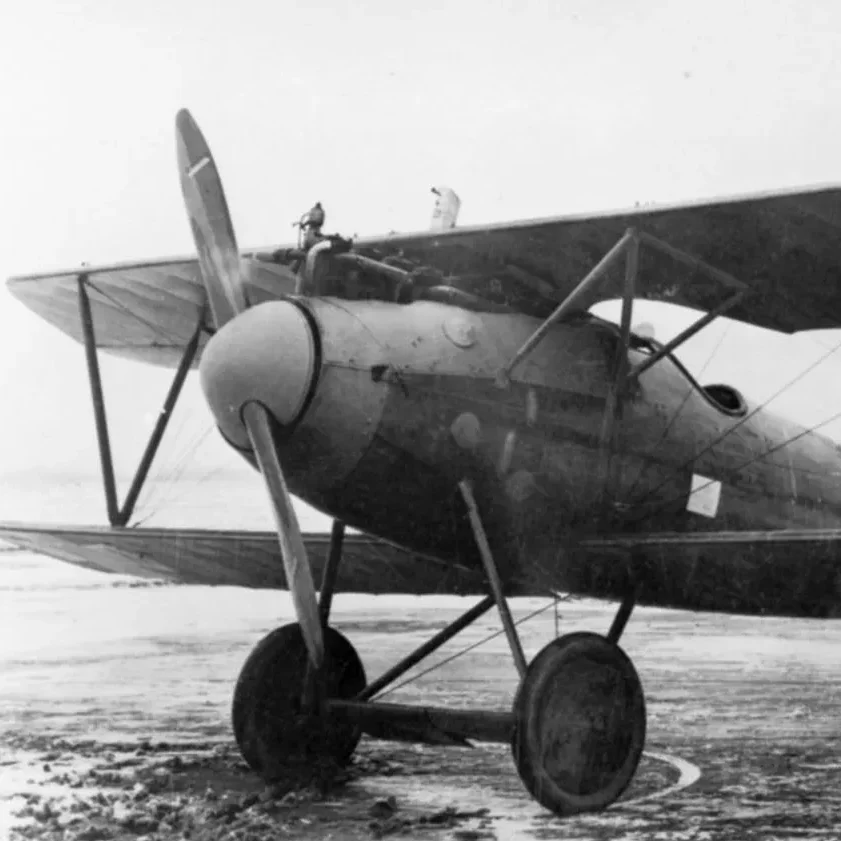
The emergence of aviation in World War I marked a profound turning point in the history of warfare and innovation, establishing air power as a decisive element of military strategy. Prior to the war, airplanes were fragile novelties, primarily used for stunts or mail delivery. But with the outbreak of global conflict, nations realized the military potential of these machines. As historian Tim Cook explains, aircraft were rapidly adapted for reconnaissance, artillery spotting, and eventually direct combat, introducing an entirely new dimension to warfare—literally. For the first time, battles were no longer confined to the ground. The war prompted the invention of new aircraft types such as fighters, bombers, and observation planes, all of which reshaped how battles were planned and executed. This transformation was not only tactical but deeply strategic, as control of the air became a major factor in achieving victory on the ground.
The cultural and symbolic significance of WWI aviation was also immense. Pilots were seen as modern-day knights, and flying aces like the Red Baron captured the public imagination with their daring dogfights. As described by the Royal Aviation Museum of Western Canada, these individuals were romanticized by media and viewed as national heroes, contributing to a new identity for modern warfare—one of speed, technology, and individual valor. The psychological impact on societies was equally powerful; air raids and bombings brought the war to civilian populations for the first time, foreshadowing the total warfare strategies of the 20th century and shifting public perceptions of safety during wartime.
The legacy of World War I aviation continues to resonate today. The rapid technological innovation spurred by wartime necessity laid the groundwork for future aerospace advancements. From the development of synchronized machine guns and stronger engines to aerodynamic improvements and early bombing techniques, the war created a blueprint for future air combat and commercial aviation. As noted in the National Air and Space Museum, the end of the war didn’t mark the end of these developments—it sparked decades of innovation that would lead to passenger air travel, supersonic jets, and even space exploration. Furthermore, as William March explains in The Canadian Encyclopedia, many of the squadrons that served in WWI evolved into formalized national air forces, such as the Royal Canadian Air Force, which continued to grow in both strategic and symbolic importance in the decades that followed.
Ultimately, the historical significance of WWI aviation lies in its transformation of military doctrine and its influence on modern society. Air power became central to global defense strategies, from the Cold War to contemporary drone warfare. The innovations and ideologies born from this era continue to shape how nations defend themselves, how conflicts are fought, and how we view technology’s role in human conflict. World War I was not just the birth of military aviation—it was the launchpad for an entire era of aerospace innovation and the modern military-industrial complex.