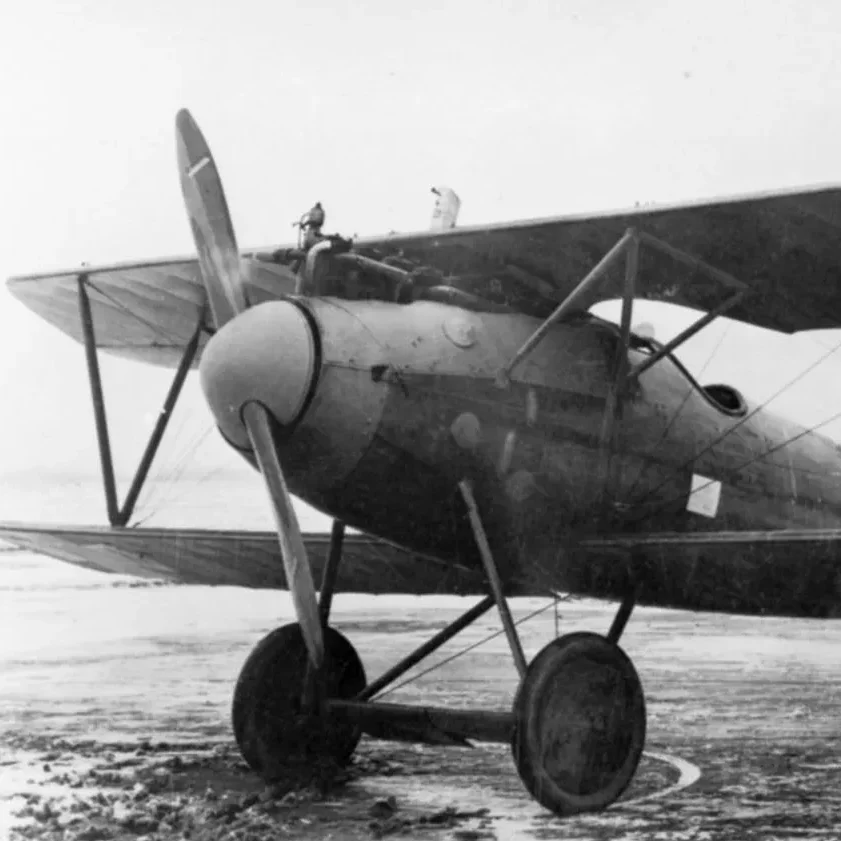
The term “flying ace” emerged during World War I to describe pilots who achieved five or more aerial victories. These individuals became national heroes, celebrated for their daring exploits and exceptional flying skills. The Royal Aviation Museum of Western Canada details the stories of several Canadian aces, such as Billy Bishop, who was credited with 72 victories and awarded the Victoria Cross for his valor.
Flying aces played a dual role: they were both strategic assets and symbols of national pride. Their successes boosted morale on the home front and among troops, while also demonstrating the effectiveness of air power. The Canadian Encyclopedia notes that the feats of these aces highlighted the significance of individual skill and bravery in an era increasingly dominated by mechanized warfare.
The legacy of World War I flying aces endures, influencing the development of air combat tactics and inspiring future generations of pilots. Their stories serve as a testament to the human element in aerial warfare, emphasizing the courage and determination required to master the skies.
During World War I, flying aces captured the imagination of the public and quickly became wartime celebrities. These were not just ordinary pilots — they were elite warriors of the sky who had scored five or more confirmed “kills” in aerial combat. The skies of Europe became the stage for these daring individuals, who turned the once untested world of aviation into a key component of modern warfare.
Among the most iconic was Manfred von Richthofen, better known as the Red Baron. Flying a bright red Fokker triplane, he achieved 80 aerial victories, making him the war’s deadliest ace. He became a German national hero and a symbol of terrifying precision in the air. On the Allied side, Billy Bishop, a Canadian pilot, emerged as one of the most successful and decorated flying aces. With 72 confirmed kills, Bishop was known for his fearless solo raids and received the Victoria Cross for bravery.
Other Canadian aces like Raymond Collishaw, who scored 60 victories, and William Barker, who survived one of the most intense single-pilot battles ever recorded, also left their mark. These men flew aircraft made of wood and fabric, often without parachutes, and still faced enemy fire head-on. They weren’t just fighting the enemy—they were battling the wind, faulty mechanics, and death at every turn. Their stories were romanticized in newspapers and posters, helping raise morale and define the public’s perception of air warfare as heroic and noble, even when reality was anything but.
These aces also revolutionized aerial combat strategy. They developed early dogfighting tactics, coordinated squadron maneuvers, and experimented with offensive patrols. Their legacy is still felt today, as the concept of the “fighter ace” remains a revered title in military aviation.