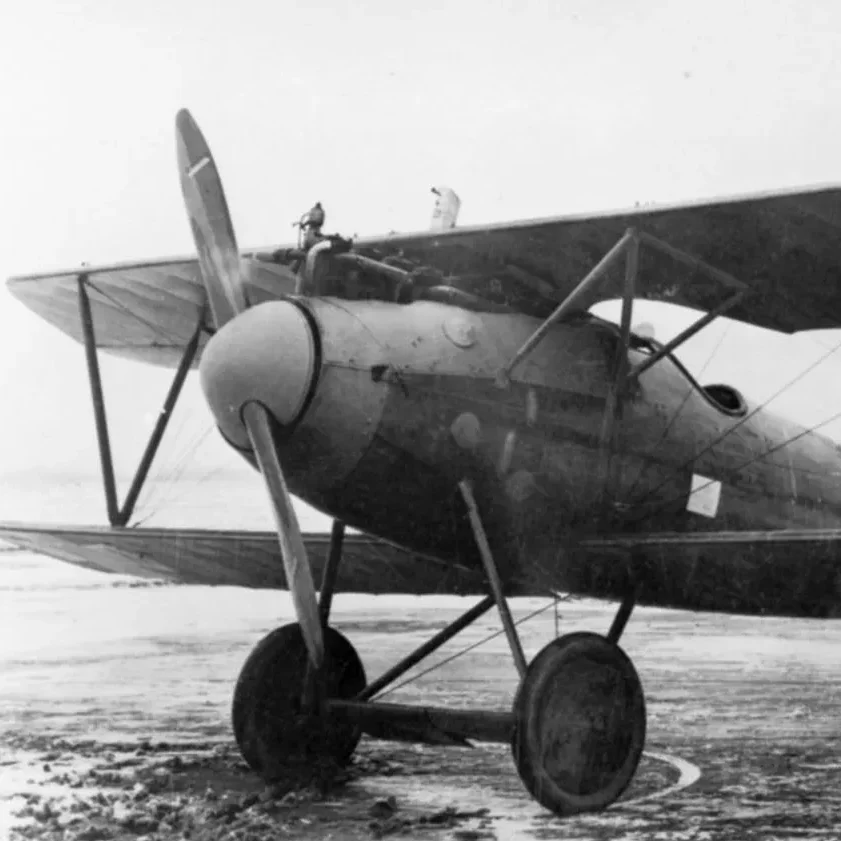
At the outbreak of World War I, airplanes were little more than experimental machines—fragile, underpowered, and largely untested in combat. Yet within just a few years, aviation technology underwent an astonishing transformation. As noted by The Canadian Encyclopedia, aircraft were initially used for reconnaissance missions, observing enemy movements and directing artillery fire. These early planes were usually unarmed, slow, and vulnerable, but they quickly proved invaluable for gathering battlefield intelligence (“The Great War in the Air”).
Once both sides realized the strategic importance of aerial observation, it sparked an arms race in the skies. Engineers began designing planes not just to observe, but to fight. According to Ducksters, the introduction of synchronized machine guns—fitted so they could fire through the spinning propeller without hitting it—marked a breakthrough. This innovation turned reconnaissance planes into deadly flying weapons and gave rise to dogfighting, changing the nature of air combat forever.
Different types of planes were developed to serve specialized purposes. Fighters like the Sopwith Camel were fast, agile, and equipped with machine guns for aerial combat. Bombers, such as the German Gotha G.V., were larger and slower, designed to carry heavy payloads over enemy lines (National Air and Space Museum). Meanwhile, reconnaissance aircraft continued to play a crucial role in tracking troop positions and providing real-time battlefield updates, especially in areas like the Western Front (The Canadian Encyclopedia).
The constant demand for better aircraft pushed aviation technology forward at a staggering pace. Materials improved, engines became more powerful, and aerodynamics advanced rapidly. As Encyclopedia Britannica outlines, the improvements in aircraft design laid the foundation for many modern military planes, with lessons from WWI influencing aircraft performance, weapon integration, and aerial strategy for decades to come (“Military Aircraft – Fighters”).
By the end of the war, planes had become essential to military operations. The skies had become a new battlefield—one that demanded bravery, innovation, and constant adaptation. The rapid development of aircraft during World War I not only redefined how wars were fought but also accelerated global interest in aviation, influencing both military and civilian flight for generations.