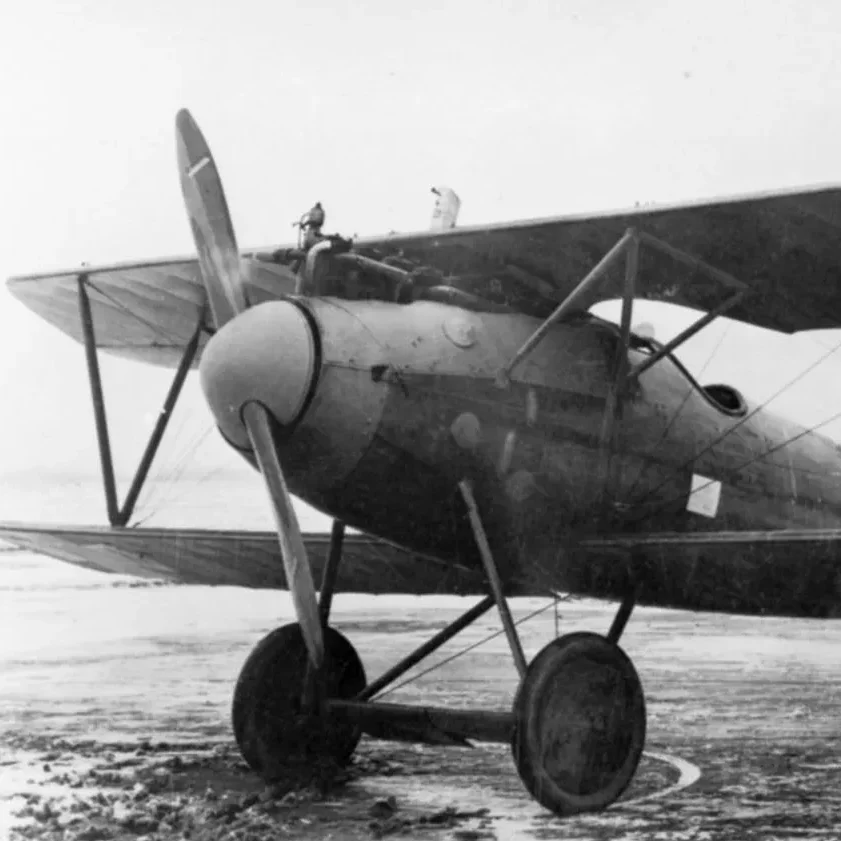
World War I catapulted aviation from novelty to necessity. Before the war, planes were experimental toys flown by daredevils. After the war, they were symbols of military power, innovation, and national pride. The conflict forced engineers to solve urgent problems—like how to mount machine guns on planes, how to improve engines, and how to keep fragile aircraft in the air for longer missions. These breakthroughs laid the groundwork for both military and civilian aviation.
The concept of air superiority, the development of long-range bombers, and the formation of specialized branches like the Royal Flying Corps (and eventually the Royal Air Force) would go on to shape future wars and international policy. The war also introduced the idea that aircraft could change the course of history, not just battles. It inspired a new wave of pilots, inventors, and policy-makers to take aviation seriously.
Outside of the battlefield, the postwar world became obsessed with flight. Public airshows, barnstorming tours, and commercial airline experiments all came out of the energy and fascination stirred up during WWI. The skies were no longer empty—they were the new frontier.