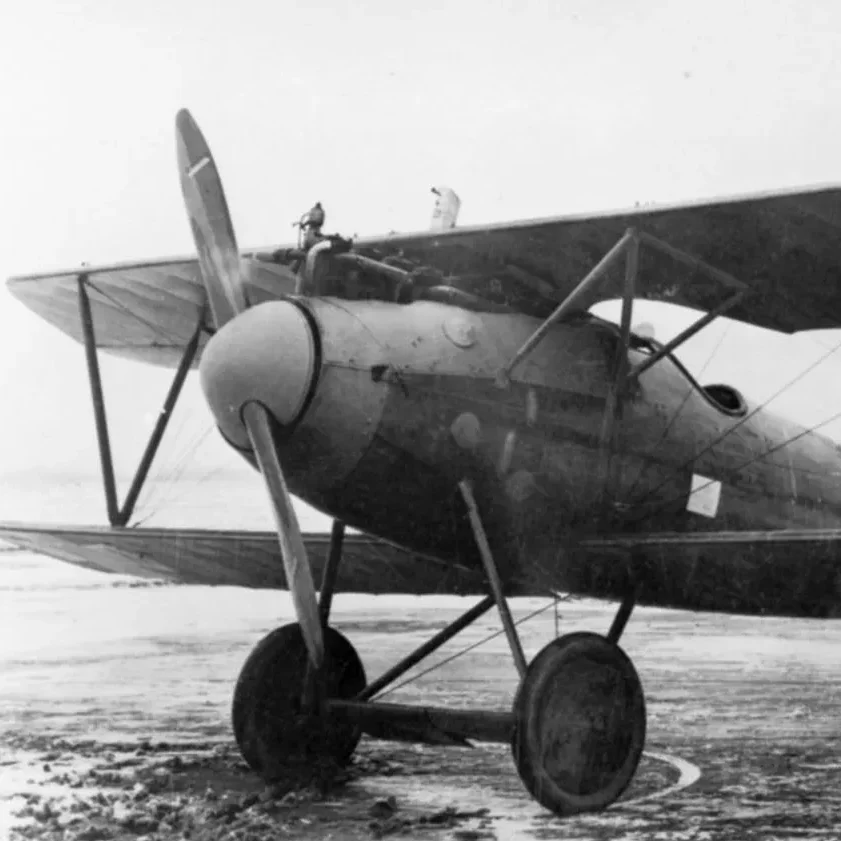
The emergence of aviation during World War I marked a pivotal transformation in both military strategy and global perceptions of warfare. At the outbreak of the war, aircraft were still in their infancy—often viewed as fragile contraptions with limited utility. As Tim Cook notes in The Canadian Encyclopedia, early pilots were often seen as daring adventurers rather than essential military personnel. However, as the war progressed, the aircraft evolved rapidly from mere reconnaissance tools into powerful engines of war, leading to entirely new forms of combat like dogfighting, aerial bombing, and ground support. This shift reflected a broader historical transition: the mechanization and technologization of warfare, a hallmark of the 20th century.
Understanding these changes requires examining the perspectives of different actors involved. Commanders initially resisted investing in air forces, doubting their practicality (National Air and Space Museum). Yet by 1918, air superiority had become a vital objective in battles like the Somme and Vimy Ridge. Meanwhile, soldiers on the ground experienced the growing impact of air power firsthand—first through the watchful eyes of aerial scouts, and later through bombs falling from above. These changing experiences illustrate how perspectives evolved during the war as the reality of aerial warfare became undeniable.
From a societal standpoint, pilots were quickly romanticized as modern knights—celebrated for their gallantry, even as their missions caused widespread destruction. As detailed by the Royal Aviation Museum of Western Canada, flying aces became global celebrities, their stories mythologized in the media. This reverence contrasted with the grim realities of trench warfare, highlighting a divide in how the public viewed different forms of service. This public perception, shaped by media and propaganda, helped fuel support for military aviation development long after the war ended.
Over time, these perspectives shifted yet again. Post-WWI, the realization of air power’s potential led to the formal establishment of air forces, such as Canada’s Royal Canadian Air Force in 1924 (March, The Canadian Encyclopedia). Aviation became not just a wartime necessity but a permanent fixture of national defense and identity. Today, looking back with historical perspective allows us to appreciate just how revolutionary the First World War was in reshaping human understanding of speed, technology, and the sky as a battlefield.