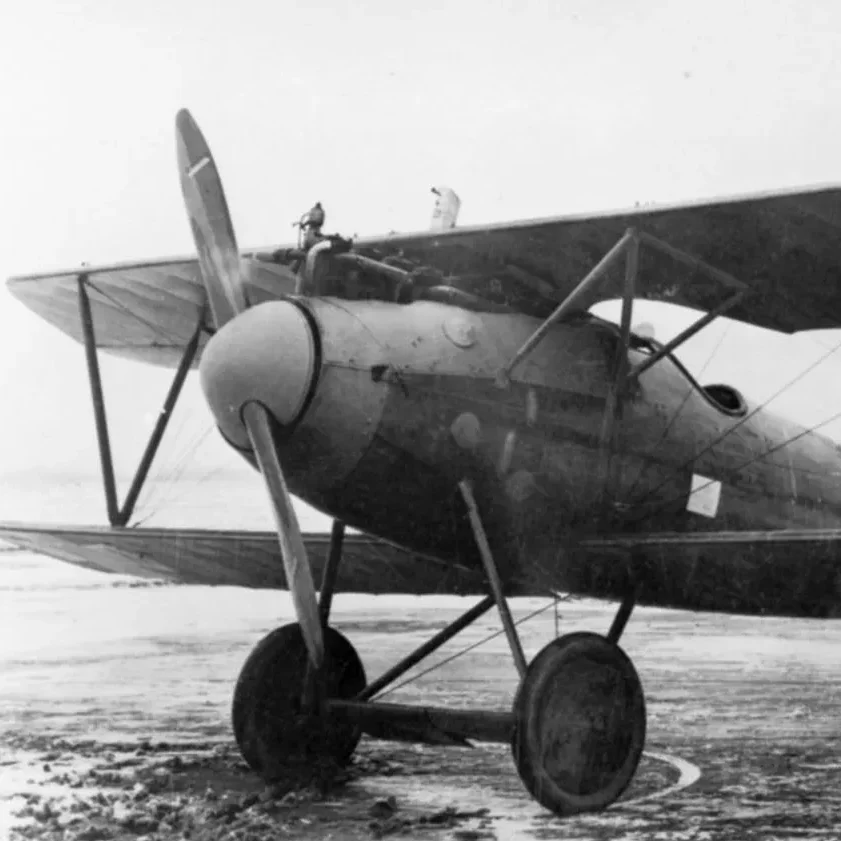
The emergence of aviation in World War I completely redefined military strategy and the nature of warfare, transforming it from a purely ground-based conflict into a multi-dimensional battle involving land, sea, and for the first time — the skies. At first, aircraft were used mainly for reconnaissance missions, flying above enemy trenches to observe troop movements, artillery positions, and supply lines. This aerial intelligence was revolutionary, allowing countries to make faster, more informed strategic decisions, and it began shifting the rhythm of warfare entirely. Nations that capitalized on aviation gained a significant edge in both offensive and defensive operations.
As the war progressed, aviation evolved rapidly. Planes became armed with synchronized machine guns, allowing pilots to shoot through their propellers and engage in aerial dogfights — a radical shift that birthed a new class of military hero: the flying ace. Pilots like Manfred von Richthofen (The Red Baron) and Billy Bishop didn’t just rack up kills — they symbolized the rise of tactical air combat and helped popularize the idea of air dominance. Their skills shaped new air strategies like offensive patrols, bomber escort missions, and trench-strafing, which began to influence outcomes on the ground in significant ways.
Each country engaged with aviation differently, but all came to rely heavily on it as the war intensified. Germany, for example, invested in innovative aircraft like the Fokker and prioritized air superiority, producing the war’s top ace. Britain and France poured resources into mass-producing planes and training pilots, often using Canadian volunteers who became some of the most successful Allied aces. Even the United States, though it joined the war late, built the foundation of its air power during this time by forming squadrons and collaborating with Allied air services.
By the end of the war, aviation had become a strategic pillar of military operations. It enabled bombing raids on cities, long-range reconnaissance, and even direct support for infantry units. Planes changed the way wars were fought by adding speed, height, and unpredictability to battlefield tactics. It was no longer just about the number of soldiers or tanks — who controlled the skies began to control the momentum of the war.
The war’s aviation advancements also set the stage for the future of global air power and aerospace innovation. The mass production of aircraft, pilot training programs, and early experiments with bombing laid the groundwork for future air forces. After the war, countries expanded on these ideas — the RAF became the first independent air force, and civil aviation exploded as military pilots returned home with skills and surplus planes. Concepts like air superiority, strategic bombing, and aerial logistics, all born in WWI, would define not only WWII but modern warfare itself.
In the decades that followed, these early transformations led directly to the development of jet engines, intercontinental bombers, and space programs. The world learned from WWI that controlling the skies meant controlling the future — a lesson that continues to drive global military and aerospace priorities today.