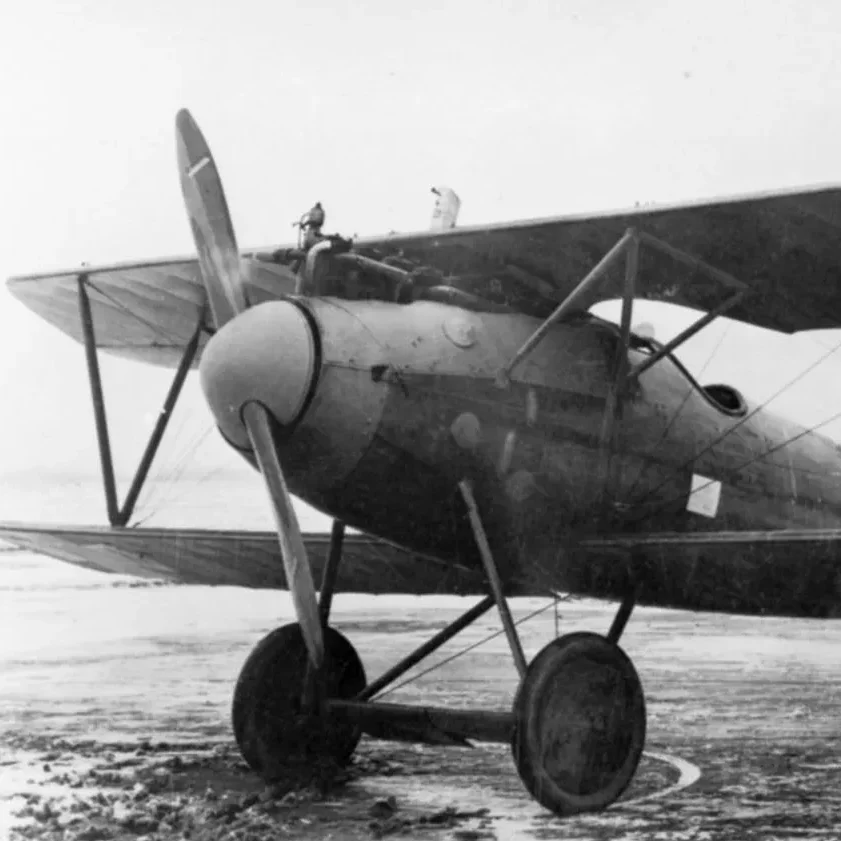
At the start of WWI, few could imagine the airplane becoming a game-changer. But by the end, aviation was a cornerstone of national military strategy. Planes were first used mainly for reconnaissance—scouting enemy movements, identifying artillery placements, and taking aerial photographs. This gave armies a massive tactical edge and changed how battles were planned and executed.
As the war progressed, nations rapidly developed new ways to use air power. Germany, for instance, emphasized air superiority and innovation. German engineers created synchronized machine guns and advanced aircraft like the Fokker series, helping aces like the Red Baron dominate the skies. The British shifted from passive recon to aggressive aerial offensives. They used aircraft for bombing raids, trench strafing, and direct support of infantry advances.
Meanwhile, Canada, though lacking its own air force at the time, sent over 20,000 men to fly in British units, significantly contributing to Allied aviation efforts. France, which fielded the largest number of aircraft, developed mass production strategies and used planes to defend its homeland while supporting offensives. The United States, joining late, quickly mobilized by training pilots and borrowing aircraft from its allies to form the foundation of its future air power.
Ultimately, every major country recognized that whoever controlled the skies could control the outcome of the battle below. WWI made it clear: air power wasn’t a luxury—it was essential.