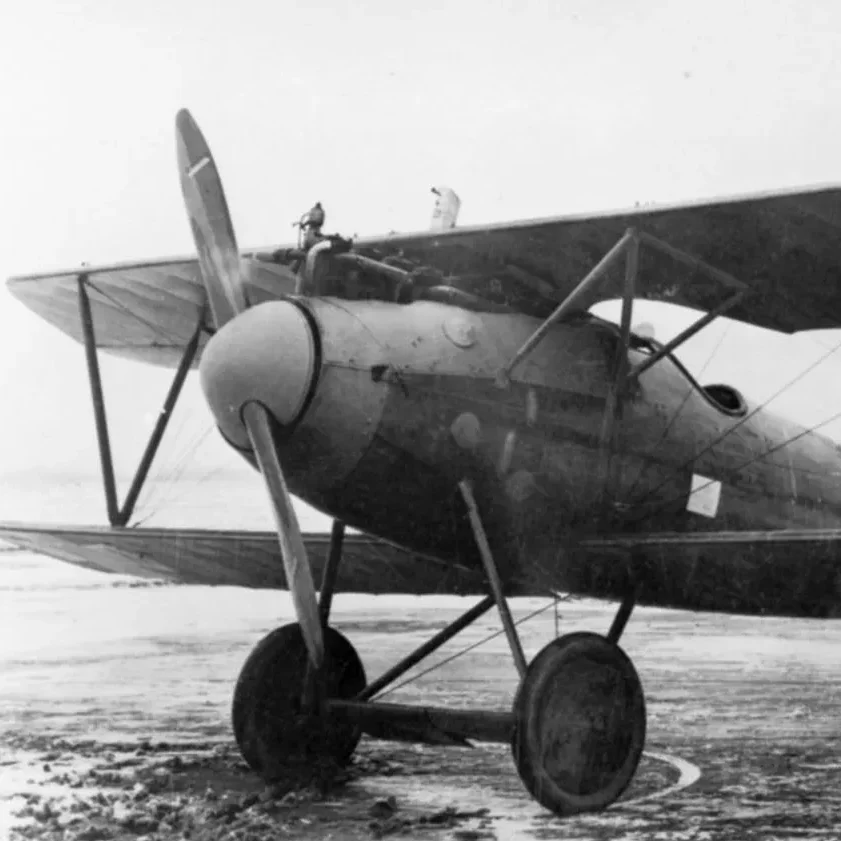
The end of World War I brought a new era of aviation experimentation and ambition. With tens of thousands of trained pilots and a surplus of military aircraft, countries looked for ways to transition from wartime needs to peacetime opportunities. Many pilots became air mail carriers, stunt flyers, or founders of early airlines. The 1920s saw a boom in civil aviation, thanks in large part to the infrastructure and expertise built during WWI.
Military aviation also began to evolve. Countries like Britain kept expanding their air forces, forming the RAF as the world’s first independent air force. The U.S. and Germany used lessons learned in WWI to experiment with new bomber designs, better training systems, and organized squadrons. Many of the dogfighting tactics and strategies developed by WWI aces became part of official military doctrine.
In short, WWI made flight mainstream. Planes were no longer seen as flying oddities but as vehicles with purpose—vehicles that would eventually cross oceans, break speed records, and go to war again.