The use of maps in World War I aviation was crucial for mission planning and navigation. Pilots relied on detailed cartographic information to identify targets, plot courses, and coordinate with ground forces. The National Air and Space Museum emphasizes the importance of accurate mapping in enhancing the effectiveness of aerial reconnaissance and bombing missions.
Aerial photography emerged as a vital tool, enabling the creation of up-to-date maps that reflected the dynamic nature of the front lines. The Canadian Encyclopedia notes that these photographic techniques allowed for more precise artillery targeting and improved situational awareness.
The integration of aerial mapping into military operations marked a significant advancement in warfare, demonstrating the strategic value of combining technological innovation with traditional cartography. This synergy enhanced the precision and effectiveness of military campaigns, influencing future conflicts.
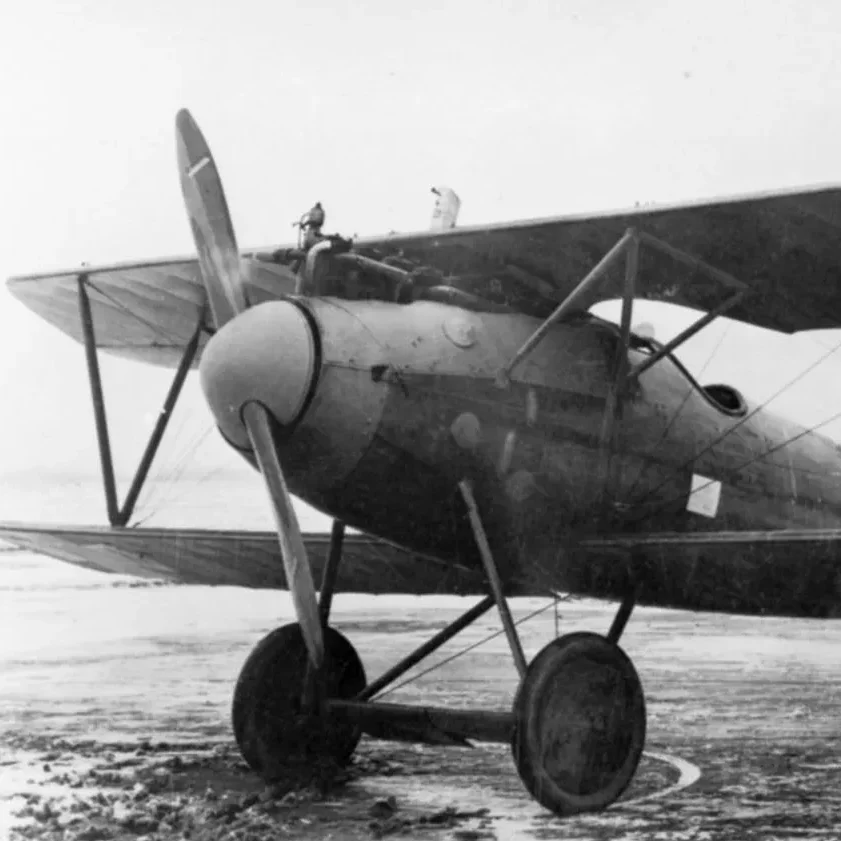
World War I wasn’t just fought in muddy trenches—it stretched high into the skies above Europe. Pilots operated from strategically located airfields across France, Belgium, Germany, and Britain, often near major battlefronts such as the Somme, Ypres, and Verdun. These zones were essential for reconnaissance flights, bombing missions, and dogfights. Flying from these destinations meant risking death daily—from anti-aircraft guns, enemy fighters, or technical failures.
In France, Allied pilots often flew from makeshift airstrips built close to front lines. These allowed for rapid communication between air and ground forces. In German-occupied Belgium and northern France, German pilots guarded territory from invasion and launched bombing raids on key targets, including civilian areas like London. These raids, although limited in scale, showed the world that air power could strike far beyond traditional battlefields.
Strategic cities were also flight targets. Paris, London, and Berlin saw the first instances of aerial bombing, a terrifying new dimension of war. These attacks proved that the war could no longer be contained to soldiers in uniform—now civilians were vulnerable, too. After the war, many of these regions became permanent air bases or training facilities, cementing their place in aviation history.